|
Erzählt Sebald uns wahre Geschichten? Wir haben das Gefühl wahrer Geschichten, in der Tat sind sie das literarische Äquivalent von "Collagen", in denen Stücke der Realität ausgeschnitten und auf ein Brett geklebt werden. 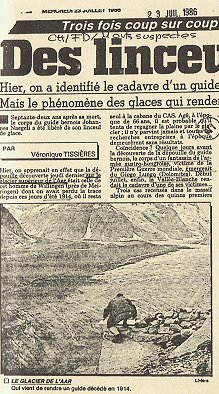
Frohmann, aus Drohobycz gebürtig, sagte er, sich
|
|
Was macht eine Geschichte interessant? Wenn sie wahr ist? Was macht ein Bild interessant? Wenn es etwas wahrheitsgetreu wiedergibt? Kriterien sind also weder ausreichend, noch noch sind sie notwendig, aber der Glaube daran, dass etwas, das einem erzählt wird wahr ist und nicht nur "erfunden", trägt viel zu seiner Bedeutung und seinem potenziellen Interesse bei.
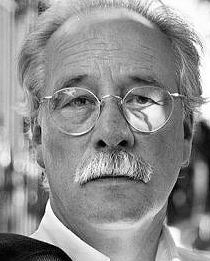
Aber sind es wahre Geschichten? Was ist der Unterschied zwischen Fakt und Fiktion? Sebald behauptete, das eine gehe in das andere über, so wie unsere Träume mit unserem realen Leben verschmelzen, indem wir Teile davon verwenden, wenn auch in neuen und aufregenden Konstellationen. Sicherlich ist ein Leser naiv, wenn er
was Sebald schreibt, für bare Münze nimmt, andererseits ist die Akzeptanz alles für bare Münze zu nehmen während der Lektüre das Spiel, zu dem der Leser eingeladen wird, vielleicht sogar erwartet wird. Aber das ist das Spiel, das bei jeder Lektüre von Belletristik gespielt wird. Der Unterschied ist, dass dies bei Sebald auf eine Metaebene getragen wird, es mag Fiktion sein, aber die Lektüre ist es nicht.
Sebald ist Emigrant. Und wie jeder Emigrant ein unfreiwilliger, auch wenn die Entscheidung zur Auswanderung vielleicht ganz freiwillig getroffen wurde. Wie jeder Emigrant wird er sich als Exilant fühlen müssen. Ein Exilant ist ein Wesen, das von seinen Wurzeln abgeschnitten ist und dadurch ein Gefühl von Freiheit erlangt um den Preis, ein Leben zu führen, das nicht ganz real ist. Ein Leben, das zu einem großen Teil erfunden ist und zu einem Märchen wird. Ich weiß das. Ich war acht Jahre lang Emigrant, in denen ich mich bewusst umgestaltet, eine neue Sprache, eine neue Identität erworben habe, alles aus eigenem Antrieb. Ich fühlte mich wie ein Märchen, nicht ganz real. Das war in vielerlei Hinsicht aufregend, doch letztlich erschien es mir sinnlos. Ich kehrte zurück, um wieder Anschluss zu finden, und verlor dabei das Gefühl der Freiheit, ohne unbedingt den Sinn für die Realität wiederzuerlangen. Die Realität, die man einmal aus den Augen verloren hat, lässt sich nicht so leicht zurückgewinnen. Tatsächlich kann sie, wenn sie einmal verloren ist, nie wieder ganz zurückgewonnen werden, weil das Wesen der Wirklichkeit Verbundenheit ist, und wenn etwas in der Zeit abgeschnitten ist, lässt es sich nicht wiederherstellen.

Alle ursprünglich deutsch (?) sprechend, emigrieren sie in drei Fällen in eine englische Realität, geben ihre Muttersprache auf und nehmen die fremde Sprache mit ebensolcher Hingabe und Resignation an. In der übrigen Geschichte ist die Situation etwas anders, ich werde unten darauf zurückkommen.
Alle ursprünglich deutsch (?) sprechend, emigrieren sie in drei Fällen in eine englische Realität, geben ihre Muttersprache auf und nehmen die fremde Sprache mit ebensolcher Hingabe und Resignation an. In der übrigen Geschichte ist die Situation etwas anders, ich werde unten darauf zurückkommen.
In der dritten Geschichte werden die ausgewanderten Verwandten des Autors vorgestellt. Nahe Verwandte, die nach Amerika ausgewandert sind. Das sind fast archetypische
Wesen in vielen europäischen Familien. Sind sie erfunden? Wen interessiert das schon? Die Geschichte von einem von ihnen, dem Großonkel Ambros Adelwarth
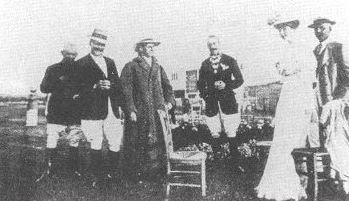
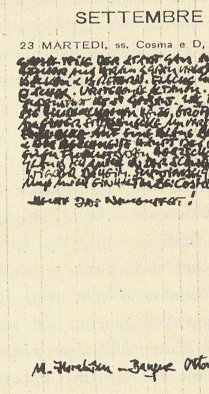
Diese Geschichte wird nicht von Ambros selbst erzählt, dem der Erzähler nie wieder begegnet, sondern indirekt durch die Erinnerungen einer Tante aus New Jersey. Adelwarth verbrachte sein Leben als bezahlter Begleiter und Verwalter eines jungen, kopflosen Mannes und zukünftigen Erben eines reichen, erfolgreichen jüdischen Geschäftsmannes und Vaters. Es ist ein sinnloses, wenn auch bezauberndes Leben, das er in den oberen Rängen der Gesellschaft verbringt, ohne ein Teil davon zu sein. Ein weiteres Beispiel für den Fluch des Exils. Am Ende seines Lebens, wenn er ausrangiert wird, fällt der Mann nicht überraschend in die Erstarrung einer tiefen Depression. Er wird in eine Anstalt außerhalb von Ithaka gebracht, wo er sich bereitwillig einer wiederholten Elektroschock-Behandlung unterzieht, die ihn erschöpft und schließlich tötet. Der Erzähler reist in den 80er Jahren nach Ithaka, erkundigt sich, trifft den Nachfolger der längst verfallenen Anstalt, erfährt die letzten Geschichten des Mannes und erhält auch das Tagebuch, das er während seiner Reisen in den Nahen Osten kurz vor dem Ersten Weltkrieg geführt hat. Ist das alles wahr? Natürlich nicht, aber die Methode der 'Collage' drängt sich auf, ein Bild eines alten Notizbuchs wird abgebildet, ebenso wie auch die eng beschriebenen Seiten darin. Ist das auch erfunden oder echt? In letzterem Fall ein Stück Realität, das eine neue Interpretation erfordert?
Die vierte Geschichte schließlich handelt von dem Künstler Max Aurach 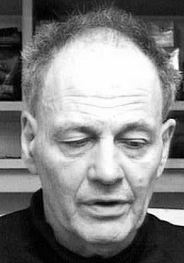
Sebald hat einige Jahre in Manchester verbracht, und auch hier ist der Schauplatz absolut glaubwürdig, und so beginnt das Buch mit nur wenige Dinge, aber sie sind so faszinierend wie die ersten Tage des Exils, jene bedeutsamen Tage, in denen ein unumkehrbarer Übergang vollzogen, eine Grenze überschritten, eine Identität abgelegt wird und eine andere anfängt. Aber natürlich ist das nur ein Vorwand, um die Geschichte zu verankern. Aurach ist ein jüdischer Flüchtling, den seine Eltern aus München zu seinem Onkel nach London schicken, als er noch ein Teenager war. Er sollte seine Eltern nie wiedersehen, die vorhersehbar umkommen. Später fällt dem Erzähler das Tagebuch in die Hände, das Aurachs Mutter in ihrem letzten Lebensjahr geführt hat. Ein Tagebuch, das auf wundersame Weise überlebt hat, aber die bequeme Allgegenwärtigkeit des Wunders ist die Fiktion, die aber meist nicht von den tristen Demütigungen des Alltags handelt, sondern von den traurigen Erinnerungen an die Vergangenheit, dem idyllischen Leben vor dem Ersten Weltkrieg. In gewissem Sinne sind wir alle Exilanten aus unserer Kindheit und Jugend, und als solche empfinden wir unseren gegenwärtigen Zustand als unwirklich. 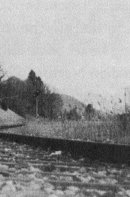
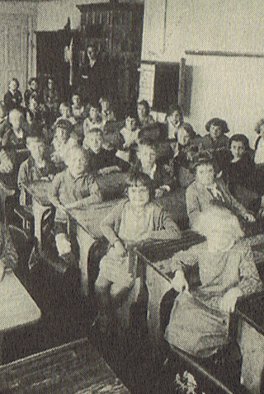
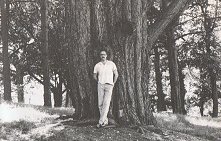
Das jüdische Thema ist auch in der zweiten Geschichte präsent, die des Musterpädagogen, der Sebalds Lehrer als kleiner Junge war.
Vier Geschichten, die so erzählt werden, als ob sie wahr wären (und vielleicht waren sie es ja wirklich?). Wird der Leser betrogen? Bis zu einem gewissen Grad, wenn er sie
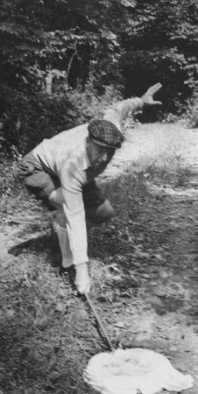
einfach nur liest, aber natürlich ist das Schummeln Teil des Spiels und damit des Spaßes, und der aufmerksame Leser kann sich an gelegentlichen Andeutungen erfreuen, die der Autor (im Gegensatz zum Erzähler) schelmisch fallen lässt. Einer davon ist das Auftreten des Schmetterlingsmannes in verschiedenen Inkarnationen. Er erscheint in der Adalwarth-Geschichte in der Nähe von Ithaka, in der Aurach-Geschichte in der Nähe von Genf, wo er Aurach sagt, dass er vom Berg zurückkehren soll, und als Ferienjunge in der Nähe der an der Riviera in der Erinnerung von Aurachs Mutter. Der kundige Leser identifiziert ihn sofort als Nabokov. Das funktioniert wie die Ironie in den Schriften eines Platon, eine geheime Übereinkunft zwischen dem Autor und dem einzigen intelligenten Leser, dass das, was geschrieben und gesagt wird, nur für die Masse ist, dass alles eine Illusion ist.
Sebald teilt, wie bereits erwähnt, die Stimme mit seinem Erzähler. Eine Stimme ist Ausdruck eines Temperaments, und die von Sebald, wie es sich für einen Exilanten gehört, ist von stiller Melancholie. Seine Schilderung der Orte ist faszinierend, und ich kann mich mit ihnen tief identifizieren. Als Exilant und als Schriftsteller reist er hindurch, ist aber nicht Teil davon. Die Welt nimmt dann ein seltsames Aussehen an, so wie es gewöhnliche Dinge tun, wenn man sie lange genug anstarrt, um ihre Existenz von ihrem Nutzen und Zweck zu trennen. Dasselbe gilt für einen geografischen Ort: Sobald man ihn als das sieht, was er "wirklich" ist, eine Art Fassade, wird er irgendwie leer und unwirklich. Das funktioniert besonders gut bei Orten wie Manchester, die sich selbst überlebt haben und jetzt nur noch moderne Ruinen einer einst lebendigen, jetzt aber hoffnungslos vergangenen Realität darstellen.
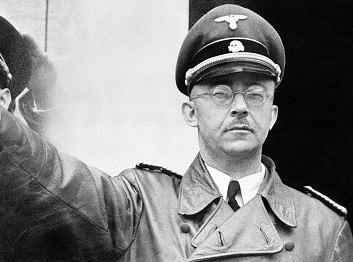
Ein Grund, der oft genannt wird, ist die Schuld. Die Schuld des Holocausts. Sowohl an der Tat selbst als auch an der Amnesie, die darauf folgte. Das Abschlachten der Juden wurde nicht aus Leidenschaft begangen, zumindest nicht aus Hass oder Vergnügen, denn schließlich war der virulente Antisemitismus im traditionellen Deutschland (im Gegensatz zu anderen Ländern wie Frankreich und Russland) kaum zu beobachten, obwohl die Leugnung des Phänomens des Antisemitismus in Deutschland als solches natürlich absurd wäre. Wäre es so gewesen, wäre es zumindest verständlicher. Im Gegenteil, es scheint aus Pflichtgefühl und mit einer perversen Art von Selbstmitleid vollzogen worden zu sein. So schlimm es für die Opfer war, haben diejenigen, die es tun mussten, nicht noch mehr gelitten? Um Himmler zu paraphrasieren. Dies führte bei den Nachkriegsdeutschen zu einer geteilten Meinung über den Holocaust. Einerseits waren sie natürlich unschuldig und verwirrt. Sie hatten keinen Hass und noch weniger Freude empfunden. Sie waren also nicht in der Lage, eine emotionale Verantwortung zu übernehmen, obwohl das Nachkriegsdeutschland natürlich andererseits, was seine formale und offizielle Verantwortung betrifft, wie kein andres Land sich jemals bedingungsloser zu den Schrecken und Gräueltaten, die es begangen hat, bekannt. Eine lobenswerte Antwort, die frei von Heuchelei ist. Doch der Krieg hinterließ eine große Lücke des Leugnens, sowohl was die Vernichtung als auch was die eigene Vernichtung durch die alliierten Bomberkommandos, die sie selbst erlitten haben. Sebald hat beide Themen aufgegriffen, das erste ist natürlich völlig unstrittig, das zweite weit weniger. 
Wenn es um den Holocaust geht, der in "Austerlitz" am gründlichsten behandelt wird, geschieht dies nie frontal, das wäre unmöglich. Es geschieht eher schräg, indem die Grenzen der Leere nachgezeichnet werden, anstatt in sie hineinzustarren. Einige der wirkungsvollsten Beschreibungen sind tatsächlich nur Beschwörungen. Die frontale Behandlung des Holocausts gehört nicht zur Literatur, wie Sebald sehr wohl weiß, sie gehört zur Sensationslust und der damit einhergehenden Vulgarisierung, letztlich zur Trivialisierung. Die Rolle der Literatur besteht letztlich nur darin, zu evozieren und zu suggerieren, nicht indem sie die Phantasie ersetzt, sondern indem sie sie anregt.
Ulf Persson, 2009
|