
|
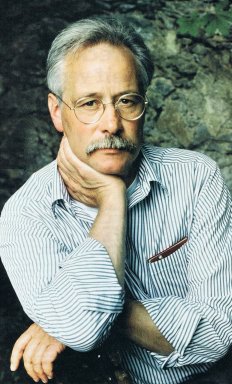
Was sollten Sie über W.G.Sebald wissen? Dass er im Jahr 2001 bei einem Autounfall ums Leben kam. Dass er, hätte er gelebt, wahrscheinlich den Nobelpreis erhalten hätte. Dass sein Ruhm vor allem auf vier Werken beruht, die er "Prosaliteratur" nannte und die alle in den letzten zehn Jahren erschienen sind. Dass er ein seltsames, antikes literarisches Genre entwickelt hat, das Memoiren, Reiseberichte, Anekdoten und Schwarz-Weiß-Fotografien von Orten (Bahnhöfe, Seelandschaften, Eisenbrücken) miteinander verbindet. Dass die Menschen die Lektüre seiner Bücher mit einer Verzauberung vergleichen, aber nicht in der luftig-trivialen Art und Weise, wie das Schreiben als "fesselnd" oder "berauschend" bezeichnet wird. Dass eine bestimmte Generation von Lesern sich daran erinnern wird, wo sie waren und was sie taten, als sie die Nachricht von seinem Tod erreichte.
Max's erstes literarische Werk, ein schönes, langes Gedicht in drei Teilen, veröffentlicht er 1988 in Deutschland und viel später - in einer Übersetzung von Michael Hamburger - im Vereinigten Königreich und in den USA. Max erzählte mir, dass er es auf einer Zugfahrt zu schreiben begann, als er besonders desillusioniert von der Wissenschaft und dem akademischen Schreiben war.
Eines der markantesten Charakteristika von Max' Schreiben ist, wie Robert Macfarlane festgestellt hat, die teilweise Ersetzung des Charakters durch das Klima:

Max' kunstvolle, stattliche Sätze scheinen so weit zu wandern wie seine Erzähler auf ihren Reisen, folgen verschlungenen Pfaden der Abschweifung, verschwinden in Seitenstraßen und halten inne, um Objekte oder Bilder von besonderem Interesse zu betrachten. Als er von einem Interviewer des New Yorker gefragt wurde, wie er dazu kam, Die Ringe des Saturn zu schreiben, antwortete er: 
Die Abschweifung ist das Herzstück von Max' Werk. Wie Dave Eggers es ausdrückt: Die Abschweifung folgt dem Weg der Erinnerung, der selten geordnet ist. Das Aufdecken der Geschichte durch das Dickicht des Geistes - das ist gewissermaßen die Handlung.
Das erste von Max' Hauptwerken, das 1996 in englischer Sprache erschien und drei Jahre zuvor in Deutschland veröffentlicht wurde, Die Ausgewanderten, erregte so etwas wie eine Sensation. Es war, als ob ein kanonischer Schriftsteller in der scheinbar toten Tradition der Moderne des zwanzigsten Jahrhunderts erscheint. Ein verblüffend originelles und fesselndes Werk, das das Leben von vier jüdischen Emigranten mit überwältigender moralischer und emotionaler Kraft verwebt. Susan Sontag fasste die Reaktion auf The Emigrants so zusammen, als sie schrieb:
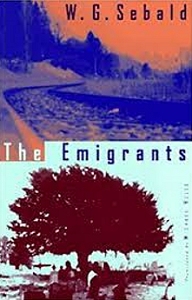
'Ist literarische Größe noch möglich? Wie muss ein edles literarisches Werk heute aussehen? Eine der wenigen Antworten, die dem englischsprachigen Lesern zur Verfügung steht, ist das Werk von W.G. Sebald.'
Max bezeichnet seine Werke Schwindel.Gefühle, Die Auswanderer, Die Ringe des Saturn und Austerlitz als "Prosaerzählungen", um sie von der Tradition des "Romans" zu unterscheiden, den er als eine Art klirrende Maschine charakterisierte, die schreckliche Geräusche von sich gab, während sie allzu offensichtlich den Gang einlegt:
Im Grunde ist Max' Schreiben nicht kategorisierbar und das ist eines der Dinge, die es so besonders macht. Wie Ali Smith es ausdrückt:
Max' Sinn für Humor wird oft unterschätzt, vielleicht weil er im Widerspruch steht zur überwältigenden Ernsthaftigkeit seines Themas und dem
scheinbar archaischen Stil seines Schreibens. Doch er ist eine wichtige Waffe in seinem Arsenal, und persönlich eine der Quellen seines beträchtlichen Charmes.

Eines der auffälligsten Merkmale von Max' Werk ist seine Verwendung von Bildern. Die großen Prosaerzählungen, von Die Ausgewanderten bis Austerlitz, hat Max selbst illustriert, der ein fanatischer Sammler alter Fotografien, Postkarten und Zeitungsausschnitte war, und die Verwendung dieser gefundenen Bilder, zusammen mit den von Max selbst aufgenommenen Fotografien, ist Quelle vieler Diskussionen von Lesern, Kritikern und in jüngster Zeit auch Wissenschaftlern. (Die bis heute maßgebliche Studie stammt vom Künstlerkollektiv Institute of Cultural Inquiry, dessen Publikation 'Searching for Sebald' 632 großformatige Seiten umfasst.)
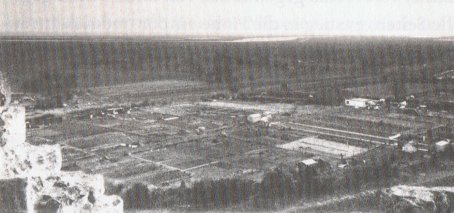
Nach dem Tod von Max wurde zwar nur wenig unveröffentlichtes Schrifttum gefunden, dafür aber eine sehr große Anzahl seiner Fotografien. Seine große Bewunderin Susan Sontag erwog eine Zeit lang, eine Auswahl aus diesen Fotos zu treffen und einen Text dazu zu schreiben. Leider starb sie, bevor sie ein solches Projekt in Angriff nehmen konnte.

Im Jahr 2001 stellte die Malerin Tess Jaray eine außergewöhnliche Folge von 16 Grafiken aus, die auf Passagen aus Die Ausgewanderten
und Die Ringe des Saturn beruhen. Einst gehörte sie zu dem Teil der losen Gruppierung von Künstlern, die die britische Pop-Art-Bewegung der 1960er Jahre bildeten,
später fand sie Inspiration zunächst in den spirituellen Mustern der islamischen Kunst und dann in den Mustern und Stimmungen von Max' Werk.
('Marokko und Max' sagte sie, als ich sie traf.)
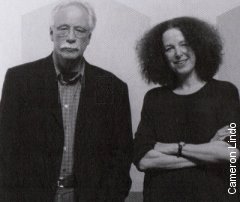
Nachdem sie sich miteinander angefreundet hatten, arbeiteten Tess und Max gemeinsam an dieser schönen Sammlung von Texten und 'Mikrogedichten',
2001 unter dem Titel For Years Now veröffentlicht, das geheimnisvolle Haiku-artige Schreiben aus Max' letzten Jahren.
I've had this whistling sound in my ears 
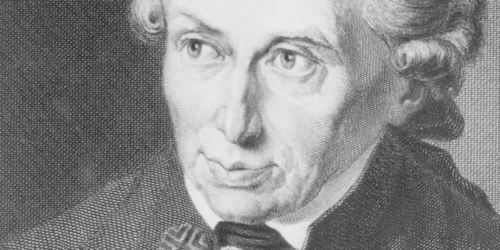
Eines der flüchtigsten von Max' Werken, das ich nie aufspüren konnte, ist ein ein Hörspiel, das er angeblich für die BBC über das Leben von Kant geschrieben haben soll. Weiß jemand, wo wir eine Kopie finden könnten?
Im vielleicht letzten Interview mit Max vor seinem Tod für Die New York Times,
fragte Arthur Lubow ihn, ob es einen Ort gäbe, an dem er sich jemals zu Hause gefühlt habe:

Ein Herrenhaus, ein Bauernhaus, ein Weinberg, ein Kartoffelfeld, ein Weizenfeld, ein Kirschbaum, ein Obstgarten. Es hat von allem was, also ist es gewissermaßen eine Arche. Diese Vorstellung von etwas, das klein und in sich geschlossen ist, ist für mich ein ästhetisches und moralisches Ideal.'
Über die Musikalität von Max' Werk ließe sich viel schreiben und es ist faszinierend zu wissen, was er selbst gerne hörte. Bei dem Abend für Max, den seinen engsten Kollegen an der der Universität von East Anglia im Juni 2002 abhielten - was man eher als Gedenkfeier für Max bezeichnen könnte - wählten sie die folgenden Werke als Musik aus, die er kannte und liebte: Four Sea Interludes: 'Dawn' von Benjamin Britten; Ich bin der Welt abhanden gekommen von Gustav Mahler; der zweite Satz der Symphonie Nr. 1, ebenfalls von Mahler; und schließlich Schönbergs Strauss-Transkriptionen.
Die University of East Anglia in Norwich bot Max ein Zuhause, nach seinem Weggang von der Universität Manchester, an der er nach seinem Weggang aus Deutschland zunächst studierte und lehrte. Er war 30 Jahre lang Professor für moderne deutsche Literatur und gründete das erste britische Zentrum für literarische Übersetzung an der UEA und unterrichtete viel später, ganz am Ende seines Lebens, in dem berühmtem Kurs für kreatives Schreiben. Die Sprüche in dieser Ausgabe von Five Dials stammen aus dieser Zeit. Viele Jahre lang lebte er in der Nähe, im Old Rectory in Upgate, Poringland - einem Ort, den er als sehr weit draußen auf dem Lande beschrieb. Und ich habe das Gefühl, dass ich mich dort besser fühle als im Zentrum der Dinge. Ich bin gerne am Rande, wenn es möglich ist.

Max starb bei einem Verkehrsunfall auf dem Weg vom Pfarrhaus zum Bahnhof, als er in einer Linkskurve mit einem Lastwagen zusammenstieß.
In den Kommentaren zu Max' Werk vermied man in der Regel eine psychoanalytische Analyse, obwohl der Analytiker und Schriftsteller Adam Phillips kürzlich die Plenarrede auf einer Konferenz über Max' Werk hielt. Über seine eigene Melancholie sprach Max wenig und erwähnte, dass sowohl sein Vater als auch sein Großvater die letzten Jahre ihres Lebens krankhaft depressiv waren. Arthur Lubow erinnert sich an sein spätes Interview mit Max:
Queen Elizabeth Hall
Das letzte Mal, als ich Max in der Londoner Queen Elizabeth Hall bei einer Lesung aus Austerlitz sah, fühlte er sich unwohl in der Formica-Umgebung des Green Room, er schlug einen kurzen Spaziergang an der Themse vor, bei dem er ein wenig von seinen jüngsten Reisen nach Frankreich erzählte und von seinen Plänen für eine neue Prosaerzählung, die teilweise durch seine Recherchen dort inspiriert worden waren. Leider hat, wie wir heute wissen, kein wesentlicher Teil dieser Arbeit überlebt.
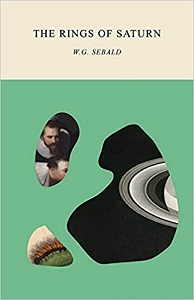
Für viele Leser das beliebteste Werk von Max. Es beginnt mit der Genesung des Erzählers von einer Krankheit, von der man oft psychische Ursachen annimmt. Als ich Max dazu befragte, sagte er, das Problem sei tatsächlich orthopädischer Ursache und auf seine eigenen Erlebnisse mit einem beschädigten Rücken nach monatelangem Wandern an der Ostküste von East Anglia mit einem Fuß auf dem abfallenden Ufer zurückzuführen. (Obwohl ich mich beim Schreiben frage, ob ich dieses Gespräch geträumt habe.)
Smoking
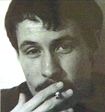
Max war einer dieser Raucher, zu denen es passte, zu rauchen. Als ich fragte, ob er wie ich vorhabe, aufzuhören, hob er die Augenbrauen, als wollte er sagen: Warum - bei so vielen anderen Möglichkeiten, wie wir sterben könnten?
Obwohl er seine Bücher leicht hätte auch auf Englisch schreiben können, entschied sich Max, sie auf Deutsch zu schreiben und dann sehr eng mit seinem Übersetzer an der englischen Version zu arbeiten. Er war gesegnet in der Wahl seiner Übersetzer - zuletzt Anthea Bell, die bewegend über ihre Zusammenarbeit ihre Zusammenarbeit geschrieben hat:
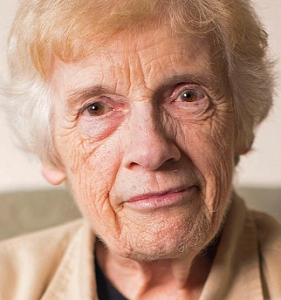
"Wir arbeiteten an dem Text hauptsächlich per Korrespondenz, Max' bevorzugte Methode und in der Tat auch meine. Es gibt nicht so viele Leute, die wirklich gerne richtige Briefe schreiben, aber dass wir beide das taten, schätze ich sehr (denn er war der großzügigste aller Autoren) und die freundliche Bemerkung von Max in den Wintermonaten, dass einer meiner Briefe geholfen hatte, das Café zu vertreiben, in dem ich mich in dieser dunklen Jahreszeit zu verfangen pflege."
Einige der Texte aus For Years Now erschienen auch in der posthumen Sammlung Unrecounted, die in Zusammenarbeit mit Max' ältestem Freund seit der Schulzeit,
dem Künstler Jan Peter Tripp, entstand. Der Übersetzer dieses Buches war ein anderer alter Freund, der Dichter Michael Hamburger, der für viele sprach, als er schrieb:
Vertigo
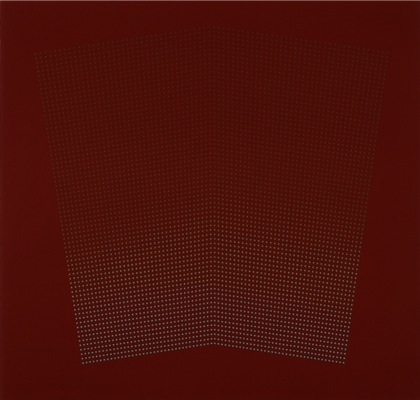
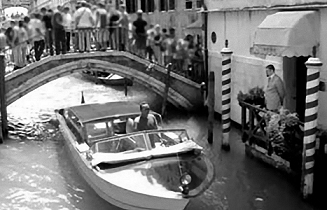
Während eines Besuchs in Venedig in Schwindel.Gefühle, der ersten von Max' reifen Prosaerzählungen, wird der sebaldische Erzähler vom Verkehrslärm vor seinem Hotelzimmer wachgehalten und hat eine Erleuchtung, die einen großen Teil von Max' Denken über das Wesen des Aussterbens zusammenfasst:
W.G. Obwohl er auf den Namen 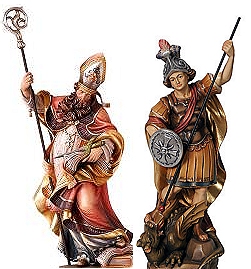
Winfried und Georg
getauft wurde, entschied sich Max für seinen zweiten (?) Namen Maximilian.
Der Zufall, der Punkt, an dem sich Wege kreuzen, ist das Herzstück von Max' Schreiben - und das X am Ende seines Namens schien mir immer sinnbildlich. Als ich ihn einmal über die Rolle des Zufalls fragte, sagte er, dass, egal welchen Weg er auch immer ging, dieser ihn früher oder später schnell zu einem aus seinem eigenen Leben zurückführte. Er sagte auch, je mehr man nach solchen Dingen Ausschau hält, desto häufiger treten sie auf.
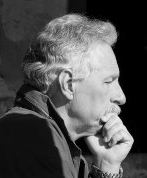
Young Austerlitz
Den 60-seitigen Auszug aus Austerlitz veröffentlicht 2005 Pocket Penguin (Nr. 28) - der perfekte Einstieg in Max' Prosaerzählungen.
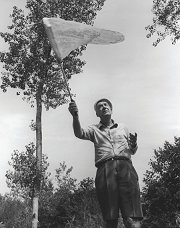
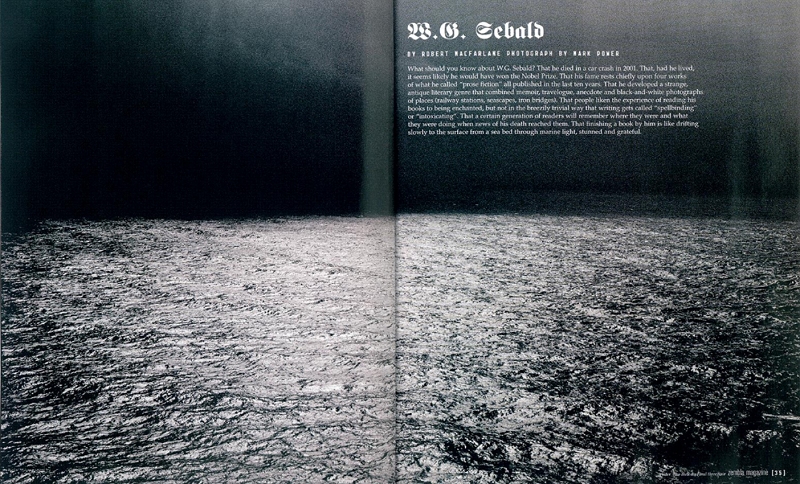
Die vielleicht beste kurze Einführung zu Max und seinem Werk hat Robert Macfarlane in der Winterausgabe 2004 von Zembla geschrieben, benannt nach dem fernen nördlichen Land in Fahles Feuer von Vladimir Nabokov, einem von Max' Lieblingsautoren, der mit seinem Schmetterlingsnetz einen Gastauftritt Schmetterlingsnetz in Die Auswanderer hat.
Was sollten Sie über W.G.Sebald wissen? Dass er im Jahr 2001 bei einem Autounfall ums Leben kam. Dass er, hätte er gelebt, wahrscheinlich den Nobelpreis erhalten hätte. Dass sein Ruhm vor allem auf vier Werken beruht, die er "Prosaliteratur" nannte und die alle in den letzten zehn Jahren erschienen sind. Dass er ein seltsames, antikes literarisches Genre entwickelt hat, das Memoiren, Reiseberichte, Anekdoten und Schwarz-Weiß-Fotografien von Orten (Bahnhöfe, Seelandschaften, Eisenbrücken) miteinander verbindet. Dass die Menschen die Lektüre seiner Bücher mit einer Verzauberung vergleichen, aber nicht in der luftig-trivialen Art und Weise, wie das Schreiben als "fesselnd" oder "berauschend" bezeichnet wird. Dass eine bestimmte Generation von Lesern sich daran erinnern wird, wo sie waren und was sie taten, als sie die Nachricht von seinem Tod erreichte. Wenn man ein Buch von ihm zu Ende liest, ist das so, als würde man vom Grund des Meeres aus durch das Meereslicht langsam an die Oberfläche treiben, fassungslos und dankbar. |
 'In der Verschmelzung von Fiktion, Biographie, Autobiographie, Reiseschriftstellerei, Geschichte, Memoiren, Poesie, Dokumentation, Essay, Theorie, Illustration, Naturgeschichte, ästhetische Analyse und leise, aber zutiefst eindringliche Story, praktisch für alles, was er geschrieben hat, hat Sebald eine neue literarische Form gefunden (und damit glaube ich, eröffnet er neue literarische Wege, suggeriert unbewusst, dass alle literarischen Formen in gewisser Weise selbst vielfältig sind). Sein Schreiben ignoriert die falschen - und, wie er mehr als oft andeutet, sogar gefährlichen - Grenzen und Abschottungen zwischen Menschen und Orten ebenso wie die Unterscheidungen zwischen literarischen Gattungen, was sich in der Gesamtheit seiner Bücher als ein Akt doppelter Großzügigkeit und Sühne erweist. Niemand hat so geschrieben wie er, und er hat die literarische Vorstellungskraft verändert mit den wenigen Büchern, für die er die Zeit zu schreiben hatte, und wir hatten das Glück, sie zu lesen.'
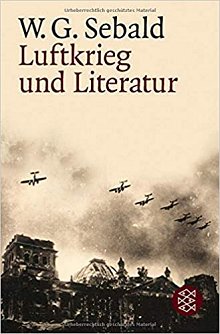 Das Hauptwerk von Max ist eine 107-seitige brillante Untersuchung zum Thema "Luftkrieg und Literatur", eine Vortragsreihe in Zürich im Spätherbst 1997.